
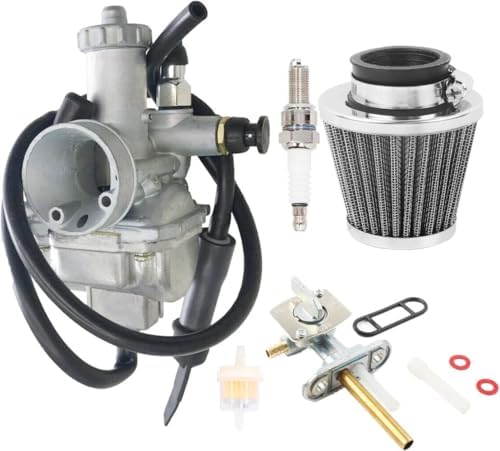
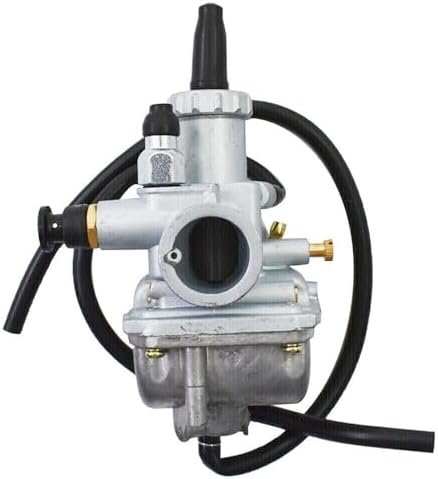
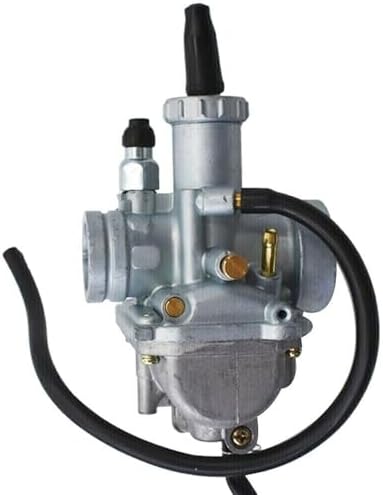
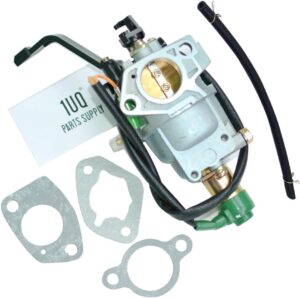
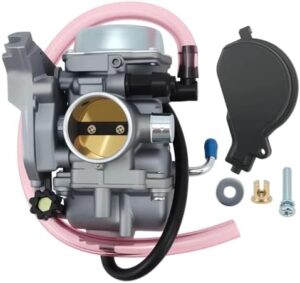
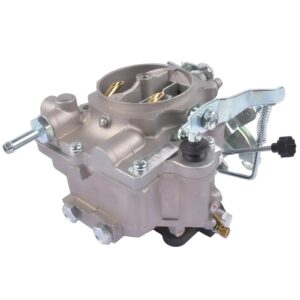
Carburetor 13200-03400 13200-02C10 13200-02C03 for Suzuki ATV Quadrunner LT160E LT-F160 LT160 1989-2003
This carburetor is engineered as a direct replacement for the Suzuki ATV Quadrunner LT160E LT-F160 LT160 1989-2003. Manufactured to meet or exceed OEM specifications, it delivers reliable performance in demanding conditions. Each unit is tested for fuel flow, pressure rating, and durability before leaving the factory to ensure consistent quality across every order.
Vehicle Compatibility
| Application | Details |
|---|---|
| Carburetor 13200 | 03400 13200-02C10 13200-02C03 for Suzuki ATV Quadrunner LT160E LT-F160 LT160 1989-2003 Replacement Part Number: 13200-03400, 1320003400, 13200-02C10, 1320002C10, 13200-02C03, 1320002C03 Applications: Fit for Suzuki ATV: Quadrunner, LT160E, LT-F160, LT160 1989-2003 |
Replaces OEM Part Numbers
13200-03400 • 1320003400 • 13200-02C10 • 1320002C10 • 13200-02C03 • 1320002C03 • 1989-2003
Signs You Need a Replacement
If your equipment is showing any of these symptoms, the carburetor may be the cause:
- Engine floods easily — The float valve isn’t seating properly, allowing fuel to overflow into the bore. The engine loads up with fuel and won’t start until it clears.
- Lean surging at cruise speed — A blocked main jet or partially clogged passage causes the engine to run lean under steady throttle. It surges as the mixture alternates between lean and rich.
- Black smoke and rich smell — Too much fuel relative to air. Check the choke mechanism, float level, and jet sizes if the carburetor has been modified.
- Fuel dripping from the carburetor — A worn needle and seat or stuck float allows fuel to overflow. This is a fire hazard and should be fixed immediately.
- Hard starting when cold — The choke circuit may be blocked or the enrichment valve stuck. Cold-start problems on a carbureted engine almost always trace back to the choke.
- Inconsistent idle speed — The idle mixture screws may need adjustment, or there’s a vacuum leak at the carburetor base gasket.
Rebuild Tips
Before installing the new carburetor, clean the manifold surface and check the gasket for any damage or vacuum leaks. Set the idle mixture screws to the baseline position (typically 1.5 turns out from fully seated) before starting. After starting, warm the engine to operating temperature, then fine-tune the mixture screws for the highest smooth idle. Adjust the idle speed screw last. If the engine backfires through the carburetor, check the valve adjustment and ignition timing.
Frequently Asked Questions
Can I cross-reference 13200-03400 with 1320003400?
Yes. Both 13200-03400 and 1320003400 are interchangeable OEM numbers for this part. They refer to the same component with the same specifications, just different part number revisions.
How do I check if my engine code (LT160E, LT160) matches?
The engine code is stamped on a metal tag attached to the engine block, usually near the timing belt cover or on the cylinder head. Compare the code you find with the list above. Engine codes are 3 to 6 characters long.
My vehicle is a 3200 model – is it covered?
The compatibility range for this part includes 3200-0340. The 3200 model year falls within this range, but verify the engine code and body type match. Mid-year production changes sometimes mean two vehicles from the same model year use different parts.
Should I rebuild or replace the carburetor?
If the throttle shaft has lateral play or the carburetor body is warped, replacement is the better option. A rebuild kit handles gaskets, jets, and needles but can’t fix mechanical wear. For most applications, a new carburetor costs about the same as a professional rebuild when you factor in labor.
Reviews
There are no reviews yet.