



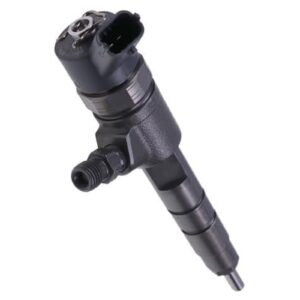
Fuel Injector 1048438 for Ford Transit 2.5 TD LDV Convoy 2.5 TDI
This fuel injector is engineered as a direct replacement for the Ford Transit 2.5 TD LDV Convoy 2.5 TDI. Manufactured to meet or exceed OEM specifications, it delivers reliable performance in demanding conditions. Each unit is tested for fuel flow, pressure rating, and durability before leaving the factory to ensure consistent quality across every order.
Vehicle Compatibility
| Application | Details |
|---|---|
| Ford Transit 1991 | 2000 E_ _ [1991-2000] Box Box 2.5 TD 2496ccm 101HP 74KW (Diesel) |
| Ford Transit 1991 | 2000 E_ _ [1991-2000] Bus Bus 2.5 TD 2496ccm 100HP 74KW (Diesel) |
| Ford Transit 1992 | 2000 E_ _ [1991-2000] Bus Bus 2.5 TD 2496ccm 85HP 63KW (Diesel) |
| Ford Transit 1991 | 2000 E_ _ [1991-2000] Platform/Chassis Platform/Chassis 2.5 TD 2496ccm 100HP 74KW (Diesel) |
| Ford Transit 1992 | 2000 E_ _ [1991-2000] Platform/Chassis Platform/Chassis 2.5 TD 2496ccm 85HP 63KW (Diesel) |
| Ford Transit 1994 | 2000 E_ _ [1991-2000] Bus Bus 2.5 TD 2496ccm 75HP 55KW (Diesel) |
| Ford Transit 1994 | 2000 E_ _ [1991-2000] Box Box 2.5 TD 2496ccm 85HP 63KW (Diesel) |
| Ford Transit 1994 | 2000 E_ _ [1991-2000] Box Box 2.5 TDi 2496ccm 101HP 74KW (Diesel) |
| Ford Transit 1998 | 2000 E_ _ [1991-2000] Platform/Chassis Platform/Chassis 2.5 TD 2496ccm 75HP 55KW (Diesel) |
Replaces OEM Part Numbers
1048438 • 33408 • 954F-9K546-DC • 954F9K546DC • 1048436FP • 954F-9K546-CC • 954F9K546CC • 1074415 • 924F9E527AB • 924F9K546AB • 954F9K546DB • 954F9E527DB
Signs You Need a Replacement
If your equipment is showing any of these symptoms, the injectors & nozzle may be the cause:
- Rough idle or misfire — Uneven fuel delivery from a worn injector causes the engine to shake at idle. On Ford engines, this is often accompanied by a knocking sound under load.
- Black or white exhaust smoke — Black smoke means excess fuel; white smoke indicates incomplete combustion. Both point to injector spray pattern degradation.
- Loss of engine power — A single failing injector reduces cylinder output. Multi-cylinder engines lose noticeable power when one injector flows less than the rest.
- Increased fuel consumption — Poor atomization means the engine burns more fuel to produce the same power. Monitor your fuel burn rate as an early warning sign.
- Hard starting or no start — If the injector doesn’t deliver fuel on cranking, the cylinder won’t fire. This is especially common in cold weather with worn nozzles.
- Fuel in engine oil (dilution) — Fuel leaking past the injector seat seal contaminates the crankcase oil. If the oil level rises or smells of diesel, inspect the injectors immediately.
Replace as a Set
Replace all injectors as a set whenever possible. On Ford engines, mixing old and new injectors creates uneven fuel delivery — the new injectors compensate for the worn ones, shortening their life. When installing, use new copper sealing washers and torque to the specification in the service manual. After installation, run the engine at idle for 5 minutes to bleed air from the fuel system, then check for leaks at each injector connection before putting the machine under load.
Frequently Asked Questions
Which Ford models does this part fit?
Refer to the Vehicle Compatibility table above for the full list of Ford models. Each listing includes the body type, engine, and production years. Match your vehicle’s engine code (stamped on the engine block) against the listed codes to confirm.
Can I cross-reference 1048438 with 33408?
Yes. Both 1048438 and 33408 are interchangeable OEM numbers for this part. They refer to the same component with the same specifications, just different part number revisions.
I have a 2.5 engine – which version do I need?
This part covers 2.5 applications. To narrow down the exact fit, check your vehicle’s model year and engine code. The same displacement can have multiple engine variants with different fuel systems or emissions equipment.
My vehicle is a 1998 model – is it covered?
The compatibility range for this part includes 1998-2009. The 1998 model year falls within this range, but verify the engine code and body type match. Mid-year production changes sometimes mean two vehicles from the same model year use different parts.
Reviews
There are no reviews yet.