



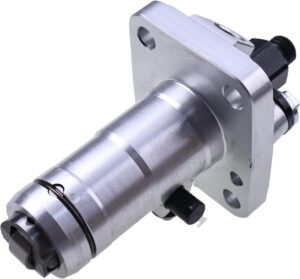
Fuel Injection Pump 106673-417K for Hyundai Excavator R380LC-9S R380LC-9SH R330LC-9SH R430LC-9SH
This fuel pump is engineered as a direct replacement for the Hyundai Excavator R380LC-9S R380LC-9SH R330LC-9SH R430LC-9SH. Manufactured to meet or exceed OEM specifications, it delivers reliable performance in demanding conditions. Each unit is tested for fuel flow, pressure rating, and durability before leaving the factory to ensure consistent quality across every order.
Vehicle Compatibility
| Application | Details |
|---|---|
| Hyundai Excavator R380LC | 9S R380LC-9SH R330LC-9SH R430LC-9SH R300LC-9SH Replace Part Number:106673-417K, 106673417K, 106067-6480, 1060676480, XKBH-02144, XKBH02144 Applications:Fit for |
| Hyundai Excavator: R380LC | 9S, R380LC-9SH, R330LC-9SH, R430LC-9SH, R300LC-9SH |
Replaces OEM Part Numbers
106673-417K • 106673417K • 106067-6480 • 1060676480 • XKBH-02144 • XKBH02144 • 106673
Signs You Need a Replacement
If your equipment is showing any of these symptoms, the injection pump may be the cause:
- Engine cranks but won’t start — The pump may have lost prime or stopped delivering fuel. Check for fuel at the filter outlet before replacing the pump.
- Stalling under load — A weak pump can’t maintain pressure at high demand. The engine runs fine at idle but dies when you put it to work.
- Fuel pressure warning (if equipped) — Modern equipment monitors fuel rail pressure. A low-pressure warning often means the pump is failing.
- Loud whining from fuel system — A failing pump makes a high-pitched whine that gets louder as it warms up. Normal pump noise is a low hum.
- Air in fuel lines — If you see bubbles in the transparent fuel line or the primer bulb won’t stay firm, the pump may be drawing air through a worn seal.
- Excessive return flow — Too much fuel returning to the tank instead of reaching the injectors indicates internal pump wear.
Before You Replace the Pump
Before replacing the pump, check the fuel filter and fuel lines for restrictions. A blocked filter causes the same symptoms as a failing pump on equipment. When installing the new pump, fill it with clean fuel before connecting the lines — this reduces priming time and prevents dry-run damage. After installation, bleed the system fully and check for leaks at all connection points. Replace the fuel filter at the same time as the pump to protect the new unit from debris.
Frequently Asked Questions
Which Hyundai models does this part fit?
Refer to the Vehicle Compatibility table above for the full list of Hyundai models. Each listing includes the body type, engine, and production years. Match your vehicle’s engine code (stamped on the engine block) against the listed codes to confirm.
Can I cross-reference 106673-417K with 106673417K?
Yes. Both 106673-417K and 106673417K are interchangeable OEM numbers for this part. They refer to the same component with the same specifications, just different part number revisions.
My vehicle is a 6067 model – is it covered?
The compatibility range for this part includes 6067-6480. The 6067 model year falls within this range, but verify the engine code and body type match. Mid-year production changes sometimes mean two vehicles from the same model year use different parts.
How long does a Hyundai fuel pump typically last?
Fuel pump life varies by application, but on Hyundai equipment you can generally expect 5,000 to 10,000 hours of operation. Running the tank dry, using contaminated fuel, or neglecting the fuel filter are the top causes of premature failure.
Reviews
There are no reviews yet.