



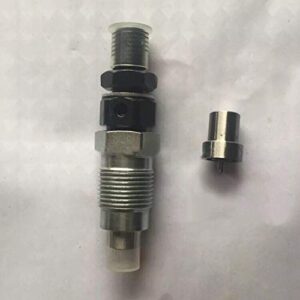
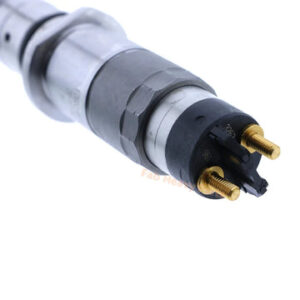
Fuel Injector 170-5238 0R-9594 for Caterpillar CAT Engine 3176B Motor Grader R1700 II
This fuel injector is engineered as a direct replacement for the Caterpillar CAT Engine 3176B Motor Grader R1700 II. Manufactured to meet or exceed OEM specifications, it delivers reliable performance in demanding conditions. Each unit is tested for fuel flow, pressure rating, and durability before leaving the factory to ensure consistent quality across every order.
Vehicle Compatibility
| Application | Details |
|---|---|
| Caterpillar | See product specifications |
| CAT Engine: 3176B Application: Fit for | See product specifications |
| CAT Motor Grader: R1700 II | See product specifications |
Replaces OEM Part Numbers
CA1705238 • 170-5238 • 1705238 • CA0R9578 • 0R-9578 • 0R9578 • CA0R4528 • 0R-4528 • 0R4528 • CA0R4208 • 0R-4208 • 0R4208
Signs You Need a Replacement
If your equipment is showing any of these symptoms, the injectors & nozzle may be the cause:
- Rough idle or misfire — Uneven fuel delivery from a worn injector causes the engine to shake at idle. On Caterpillar engines, this is often accompanied by a knocking sound under load.
- Black or white exhaust smoke — Black smoke means excess fuel; white smoke indicates incomplete combustion. Both point to injector spray pattern degradation.
- Loss of engine power — A single failing injector reduces cylinder output. Multi-cylinder engines lose noticeable power when one injector flows less than the rest.
- Increased fuel consumption — Poor atomization means the engine burns more fuel to produce the same power. Monitor your fuel burn rate as an early warning sign.
- Hard starting or no start — If the injector doesn’t deliver fuel on cranking, the cylinder won’t fire. This is especially common in cold weather with worn nozzles.
- Fuel in engine oil (dilution) — Fuel leaking past the injector seat seal contaminates the crankcase oil. If the oil level rises or smells of diesel, inspect the injectors immediately.
Replace as a Set
Replace all injectors as a set whenever possible. On Caterpillar engines, mixing old and new injectors creates uneven fuel delivery — the new injectors compensate for the worn ones, shortening their life. When installing, use new copper sealing washers and torque to the specification in the service manual. After installation, run the engine at idle for 5 minutes to bleed air from the fuel system, then check for leaks at each injector connection before putting the machine under load.
Frequently Asked Questions
Will this fit my Caterpillar 3176B?
Yes. This part is designed to fit the Caterpillar 3176B, R1700 among other models listed in the compatibility table above. Verify your specific model and engine code before ordering to ensure the correct fit.
Can I cross-reference CA1705238 with 170-5238?
Yes. Both CA1705238 and 170-5238 are interchangeable OEM numbers for this part. They refer to the same component with the same specifications, just different part number revisions.
What are the common failure signs on a Caterpillar engine?
On Caterpillar engines, watch for black exhaust smoke under load, rough idle, misfire codes (P0300 series), and loss of power. A single failing injector can reduce engine output by up to 25%. If you notice fuel in the engine oil, the injector seat seal is likely compromised.
What tools do I need to install this on a Caterpillar?
Standard metric hand tools will handle most of the job – sockets, wrenches, and a torque wrench. For Caterpillar equipment, check the specific service manual for any special tools or torque values.
Reviews
There are no reviews yet.