



Plunger Type Fuel Primer Pump Body for Sea Doo Yamaha Kawasaki
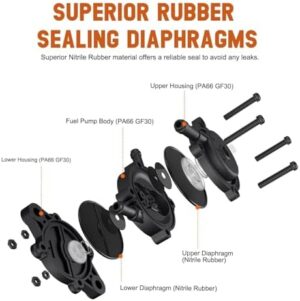
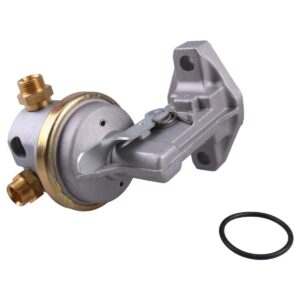
This fuel primer pump is engineered as a direct replacement for the Sea Doo Yamaha Kawasaki. Manufactured to meet or exceed OEM specifications, it delivers reliable performance in demanding conditions. Each unit is tested for fuel flow, pressure rating, and durability before leaving the factory to ensure consistent quality across every order.
Vehicle Compatibility
| Application | Details |
|---|---|
| Sea Doo Yamaha Kawasaki | See product specifications |
Signs You Need a Replacement
If your equipment is showing any of these symptoms, the fuel pump may be the cause:
- Primer bulb stays flat — The internal check valves are worn and can’t pull fuel from the tank. Replace the primer pump to restore fuel flow.
- Air bubbles in the fuel line — A worn primer pump allows air to enter the system through the shaft seal or housing crack.
- Engine hard to start after filter change — After replacing the fuel filter, the system needs to be primed. If the primer bulb doesn’t firm up, the pump is likely faulty.
Bleeding the System
After installing the new primer pump, pump the bulb until it becomes firm. Crack open the fuel line at the engine end and pump until fuel flows out bubble-free. Tighten the fitting and pump the bulb a few more times to confirm it stays firm. Start the engine and let it idle for a minute. If the primer bulb goes soft after the engine stops, check for air leaks at all connections.
Frequently Asked Questions
Which Kawasaki models does this part fit?
Refer to the Vehicle Compatibility table above for the full list of Kawasaki models. Each listing includes the body type, engine, and production years. Match your vehicle’s engine code (stamped on the engine block) against the listed codes to confirm.
How do I bleed the fuel system after replacing the primer pump?
Pump the primer bulb until it becomes firm. Then crack open the fuel line at the engine end and pump until fuel flows out bubble-free. Tighten the fitting, pump the bulb a few more times to confirm pressure holds, then start the engine.
What tools do I need to install this on a Kawasaki?
Standard metric hand tools will handle most of the job – sockets, wrenches, and a torque wrench. For Kawasaki equipment, check the specific service manual for any special tools or torque values.
Reviews
There are no reviews yet.